In this guide (11 sections)
- Our top picks
- Astrophotography Tripods Compared on Load and Column-Down Height
- How I Picked These Astrophotography Tripods
- The 5 Best Tripods for Astrophotography
- How Much Load an Astrophotography Tripod Needs With a Star Tracker
- Astrophotography Tripod Height With the Column Down
- How to Set Up a Tripod for Sharp Stars
- Astrophotography Tripod Problems Owners Run Into, and the Fix
- Which Astrophotography Tripod Should You Get?
- Our Verdict on the Best Tripod for Astrophotography
- Questions photographers ask
We earn a commission if you buy through links on this page, at no extra cost to you. It never changes what we recommend. How we make money.
How we picked these
- 26 owner posts, user discussions and expert reviews read across 19 sources.
- Every spec checked against 9 maker and retailer pages.
- We did not test these products ourselves, and we say so. All sources are linked at the end of this guide.
Our top picks
 Best overall for astro · 4.1/5Benro Tortoise 24C with GX30 Ball Head
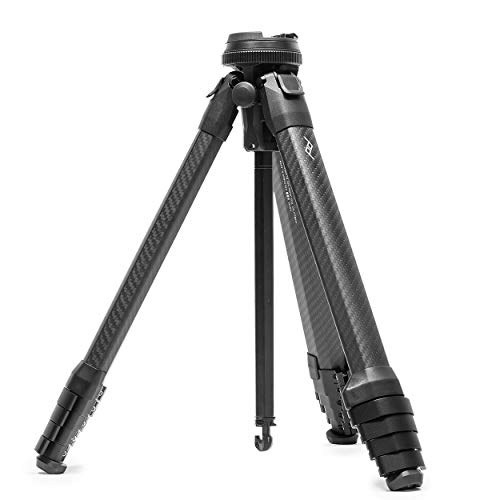 Best for flying to dark skies · 4.0/5Peak Design Travel Tripod (Carbon Fiber)
 Best for heavy tracker rigs · 4.1/5Benro Mach3 TMA37C
 Best for backyard and car-side sessions · 3.7/5Manfrotto 055 Aluminum 3-Section Tripod Kit with Ball Head
 Best budget pick for camera-only nightscapes · 3.6/5Manfrotto Befree Advanced Aluminum
The short answer
- My best overall pick is the columnless Benro Tortoise 24C with GX30 Ball Head: Benro rates it for 14 kg at 1.51 kg, so it carries a camera, a fast wide lens and a small star tracker with room to spare.
- A typical tracker rig of camera, 14mm lens and Star Adventurer weighs about 3.6 kg; at the three-times margin night shooters use, that is a tripod rated near 11 kg.
- Judge height with the center column down. The Peak Design carbon tripod gives 130.2 cm that way and the Manfrotto 055 kit 151.5 cm.
- For a camera-only Milky Way kit, the lighter Peak Design Travel Tripod or the budget Manfrotto Befree Advanced is enough if you keep the column down.
The best tripod for astrophotography is one rated for about three times the weight of your camera, lens and star tracker, used with the center column down. My best overall pick is the Benro Tortoise 24C with GX30 Ball Head, a columnless carbon tripod rated for 14 kg at 1.51 kg. If you only shoot a camera and a wide lens, a lighter travel tripod works too, as long as you follow the center column down rule for long exposures.
Picture a dark site at 1 a.m.: the Milky Way core is up, and a 20-second frame shows stars stretched into dashes. The tracker is fine; the tripod moved. Under a night sky, any vibration shows for the whole exposure, whether the camera rides a tracker or a harmonic mount like the ZWO AM5.
Astrophotography Tripods Compared on Load and Column-Down Height
An astrophotography tripod is decided by two specs: rated load against your full rig, and height with the center column down. This table puts the five picks side by side on those, plus weight and folded length.

| Tripod | Max load | Weight | Height, column down | Folded | Head |
|---|---|---|---|---|---|
| Benro Tortoise 24C + GX30 | 14 kg | 1.51 kg | 129.5 cm (no column) | 54 cm | GX30 ball, Arca |
| Peak Design Travel (Carbon) | 9.1 kg | 1.27 kg | 130.2 cm | 39.4 cm | Ball head |
| Benro Mach3 TMA37C | 16 kg | 1.85 kg | 161.5 cm max (one figure listed) | 62.5 cm | None |
| Manfrotto 055 kit (MK055XPRO3-BHQ2) | 15 kg | 3 kg | 151.5 cm | 72.5 cm | XPRO ball, RC2 |
| Manfrotto Befree Advanced Aluminum | 9 kg | 1.59 kg | 128 cm | 40 cm | 494 ball, Arca/RC2 |
From our notes: The 3.6 kg tracker rig is what reshuffled this list. My first draft ranked the tripods by weight carried to the dark site. Then I added up a full-frame body, a 14mm f/1.8 and a Star Adventurer, multiplied by three, and got 10.8 kg. Two of my lightest favorites fell below that line. So I re-sorted by rated load per kilogram you carry, and the columnless Tortoise moved to the top. The weight-first list is still useful, but only for camera-only Milky Way trips.
How I Picked These Astrophotography Tripods
Each tripod here passed three checks: two or more ranking guides recommend it, its maker publishes load and height figures, and owners report how it holds up. I read the top results for this search and its close variants, including Space.com, Skies & Scopes, Fstoppers and PhotoPills. I kept only models named by at least two of them, then checked every spec against Benro, Peak Design and Manfrotto.
I also read 25 owner posts and reviews across DPReview, Cloudy Nights, a Milky Way photography group and retailer pages. Each product below says what owners praise and what goes wrong. We did not put these tripods through our own trials; the judgement here comes from published specs, owner reports and my own load math.
The 5 Best Tripods for Astrophotography
Each astrophotography tripod below solves a different night problem, so start with what sits on top of it: a camera alone, or a camera on a tracker.

Benro Tortoise 24C with GX30 Ball Head: Best overall for astro
4.1Best Tripod Spec Score out of 5
- Stability9/10
- Portability (weight and folded length)8/10
- Working height6/10
- Build (materials, leg locks, head)9/10
- Value8/10
I scored stability and build high for the 14 kg rating, columnless legs and carbon tubes; height is held back by the fixed 129.5 cm top end.
What we like
- 14 kg (30.86 lb) payload at 1.51 kg (3.32 lb) with the head, per Benro
- No center column to wobble; the legs go straight into the head
- Arca-Swiss style plate, spiked feet and a padded bag in the box, per Benro
What we don't like
- Maximum height is 129.5 cm (50.98 in), with no way to go higher
- 54 cm (21.25 in) folded is long for its height, a drawback a DPReview forum reply pins on all columnless Tortoise models
What owners and reviewers say from 2 reviews and posts we read
Praised for
- Locks down camera and lens with no creep when the head is tightened
- Light and small enough to travel with, with a quality padded case
Common complaints
- Long folded length for its height, because a columnless design needs longer legs
- No center column option to gain a little height when a scene needs it
Read on: DPReview forums: owner review of the Benro Tortoise TTOR24C with GX30 · Fstoppers: Benro Tortoise 24C review
Who it's for: Milky Way and nightscape shooters with a full-frame body, a fast wide lens and a small star tracker who walk to their spot. Key caveat: it tops out at 129.5 cm with no column to raise, so tall shooters will stoop.
I picked the Benro Tortoise 24C with GX30 Ball Head as my best overall because it fixes the weakest part of most tripods at night: it has no center column at all. The head sits straight on the leg casting. Benro rates it for 14 kg (30.86 lb) at 1.51 kg with the head. That is 9.3 kg of rated load per kilogram carried, the best ratio in my list.
That rating clears the 10.8 kg target for a camera, a 14mm lens and a small tracker. The GX30 head takes Arca-Swiss style plates, and Benro packs spiked feet for grass or sand.
The owner I read on DPReview reports no camera creep when tightening and calls it light enough for travel. The catch is height. It tops out at 129.5 cm, so a tall shooter will stoop. A forum reply also notes that columnless designs need longer legs, so it folds to 54 cm. I would skip it if you are tall and hate bending to the viewfinder.
Peak Design Travel Tripod (Carbon Fiber): Best for flying to dark skies
4.0Best Tripod Spec Score out of 5
- Stability7/10
- Portability (weight and folded length)10/10
- Working height8/10
- Build (materials, leg locks, head)9/10
- Value6/10
I gave it top portability for the 39.4 cm folded length and 1.27 kg; stability drops a point for five thin sections, and the premium price holds value back.
What we like
- Folds to 39.4 cm (15.5 in) and weighs 1.27 kg (2.81 lb)
- 130.2 cm (51.25 in) with the column down and 152.4 cm (60 in) raised
- Ball head included; low angles down to 14 cm (5.5 in)
What we don't like
- 9.1 kg (20 lb) rating leaves less headroom for a tracker than the Benros
- Thin lower leg sections; an owner in a Milky Way group called theirs flimsy for night work
What owners and reviewers say from 5 reviews and posts we read
Praised for
- Holds up well over years of travel
- Weight saving makes gear easier to carry
Common complaints
- Expensive for what it is
- Can feel flimsy for long night exposures, per a Milky Way photography group post
Read on: Anders Noren: Peak Design Travel Tripod review · Expert Vagabond: Peak Design Travel Tripod · MobileSyrup: Peak Design carbon tripod review · Backcountry: Peak Design Travel Tripod · Facebook Milky Way Chasers: tripod recommendations thread
Who it's for: Camera-only Milky Way shooters with a mirrorless body and a wide prime who fly with carry-on bags. Key caveat: its 9.1 kg rating sits below the three-times margin for a camera plus tracker rig.
My pick when the dark site is a flight away is the Peak Design Travel Tripod (Carbon Fiber). It folds to 39.4 cm and weighs 1.27 kg. It still gives 130.2 cm of working height with the column down, so you lose almost nothing against the Tortoise.
What I like for astro is the low reach: the column flips for shots down to 14 cm, handy for a foreground rock under the Milky Way. The ball head is included.
Where I’d hold back is the tracker. Its 9.1 kg rating is fine for a camera and a wide prime, about 1.9 kg, but below the three-times margin for a full tracker rig. One owner in a Milky Way photography group called their Peak Design flimsy for night work. Other owners praise how it holds up over years of travel. Keep the column down and the thin bottom sections short.
Benro Mach3 TMA37C: Best for heavy tracker rigs
4.1Best Tripod Spec Score out of 5
- Stability9/10
- Portability (weight and folded length)6/10
- Working height9/10
- Build (materials, leg locks, head)9/10
- Value7/10
I scored it top for stability and height thanks to the 16 kg rating, thick 3-section legs and 161.5 cm reach; length and the missing head cost portability and value.
What we like
- 16 kg (35.3 lb) rating, the highest in my list, at 1.85 kg (4.08 lb)
- 161.5 cm (63.58 in) maximum height from only 3 leg sections
- Spiked feet and a short column for ground-level shots included
What we don't like
- Legs only, so the head or tracker adds weight on top
- 62.5 cm (24.6 in) folded, too long for most carry-on bags
- One Cloudy Nights owner found it rang for seconds under a heavy refractor setup
What owners and reviewers say from 6 reviews and posts we read
Praised for
- Sturdier than expected, with great fit and finish
- Rock solid in poor weather, per a long-term landscape owner
Common complaints
- Vibration took 3-5 seconds to settle under a 20 lb refractor and mount, beyond camera-tripod use
- Minor cosmetic wear, such as a peeling leg sticker
Read on: Cloudy Nights: Benro Mach 3 tripod experience · DPReview forums: experience with Benro Mach3 (TMA37C) tripods · Devon Landscape Photography: Benro Mach 3 tripod review
Who it's for: Deep-sky-curious shooters who put a star tracker, a counterweight and a telephoto on one tripod, and taller photographers. Key caveat: legs only, so add a head or mount the tracker directly.
The Benro Mach3 TMA37C is my pick when the tripod carries a tracker, a counterweight and a short telephoto. Benro lists a 16 kg (35.3 lb) rating at 1.85 kg, and the top leg tube is 32.4 mm across. Only three sections lead up to the 161.5 cm maximum height, so there are fewer joints to flex.
It is legs only, with a 3/8”-16 top thread. You add a tripod head, such as a ball head, or bolt a tracker base straight on, and Benro includes spiked feet and a short column for ground-level shots.
For star trails and tracked frames alike, owners on DPReview describe their Mach3 tripods as sturdier than expected, with great fit and finish. A Cloudy Nights owner put a 120mm refractor and mount of about 20 lb on one and saw 3-5 seconds of ringing after focusing. That is telescope territory, beyond what a camera rig asks. For a camera and tracker, I’d call it the most headroom here. Its 62.5 cm folded length rules out most carry-on bags.
Manfrotto 055 Aluminum 3-Section Tripod Kit with Ball Head: Best for backyard and car-side sessions
3.7Best Tripod Spec Score out of 5
- Stability8/10
- Portability (weight and folded length)4/10
- Working height9/10
- Build (materials, leg locks, head)8/10
- Value8/10
I rated height and value high for eye-level framing with the column down and a complete kit; 3 kg and a long folded length pull portability down.
What we like
- 151.5 cm (59.65 in) with the column down, the tallest in my list
- 15 kg (33.07 lb) payload with the XPRO ball head included, per Manfrotto
- 90-degree column swings horizontal for low foreground shots
What we don't like
- Heavy at 3 kg (6.61 lb) and long at 72.5 cm (28.54 in) folded
- Aluminum legs get cold in winter; plate is the 200PL-14 (RC2), not Arca
What owners and reviewers say from 6 reviews and posts we read
Praised for
- Very sturdy and well built, steady in wind
- Used as the heavier tripod for a star tracker by a night photographer who runs a lighter 190 for wide shots
Common complaints
- Not light to carry
- Owners rate the bundled heads below the legs
Read on: Kristine Rose Photography: the tripods I use for night photography · Adorama: Manfrotto 055 tripod listing · Adorama: Manfrotto 055 kit · B&H customer reviews of the MT055XPRO3
Who it's for: Backyard and roadside astro shooters, and anyone who tracks the sky without a long walk. Key caveat: 3 kg and 72.5 cm folded make it a car tripod, and the plate is Manfrotto's own, not Arca-Swiss.
I picked the Manfrotto 055 Aluminum 3-Section Tripod Kit with Ball Head for nights you shoot near the car or in the backyard. Manfrotto lists 151.5 cm with the column down, the tallest column-down figure in this list, and a 15 kg payload with the XPRO ball head in the box.
The 90-degree column swings horizontal, which helps with low foregrounds. One night photographer, Kristine Rose, uses an aluminum 055 as her heavier tripod with a tracker to keep it stable.
Owners at B&H and Adorama describe the legs as very sturdy and steady in wind. They also find it heavy to carry, and some rate the bundled heads below the legs. At 3 kg and 72.5 cm folded, this is not a hiking tripod. Aluminum gets cold on winter nights, so wear gloves; our tripods for northern lights guide covers Arctic cold in detail. The 200PL-14 plate uses Manfrotto’s RC2 clamp, not Arca-Swiss.
Manfrotto Befree Advanced Aluminum: Best budget pick for camera-only nightscapes
3.6Best Tripod Spec Score out of 5
- Stability6/10
- Portability (weight and folded length)8/10
- Working height7/10
- Build (materials, leg locks, head)7/10
- Value9/10
I scored value highest here for a complete kit at a lower price; thin lower legs and a 9 kg rating keep stability modest for tracker use.
What we like
- 128 cm (50.39 in) with the column down, 151 cm (59.45 in) raised
- Folds to 40 cm (15.75 in) at 1.59 kg (3.51 lb) with the head
- 200PL-PRO plate fits both Arca-type and Manfrotto RC2 clamps
What we don't like
- Minimum height of about 40 cm, against 14 cm for the Peak Design
- Owners report the lever locks and head base can loosen over time
What owners and reviewers say from 7 reviews and posts we read
Praised for
- Light and compact enough to ride in a backpack
- Lever locks are quick to open and close
Common complaints
- Not steady enough for heavier telephoto lenses
- Lever locks and the head base plate can loosen and need tightening
Read on: DPReview forums: Befree Advanced lever vs twist lock · DPReview forums: Befree Advanced M-lock or lever lock? · DPReview forums: Befree Advanced, how good is it? · Adorama: Befree Advanced Lever aluminum customer reviews · ePHOTOzine: Befree Advanced Aluminium review · Facebook Milky Way Chasers: tripod recommendations thread
Who it's for: New night shooters with a mirrorless body and a wide zoom or prime, no tracker yet. Key caveat: the 40 cm minimum height limits low foreground framing, and owners find the thin lower legs flex under heavier lenses.
My budget pick is the Manfrotto Befree Advanced Aluminum for a first Milky Way kit without a tracker. Manfrotto lists 128 cm with the column down, 151 cm raised and a 9 kg safety payload, at 1.59 kg with the 494 ball head. The 200PL-PRO plate fits Arca-type clamps as well as RC2.
It is the lowest-priced complete kit in this guide, and the lever locks flick open quickly in the dark. Owners on DPReview find it steady with a mirrorless camera and a standard lens, but not with heavier telephotos. Some report the lever locks and head base loosening over time, so carry the tool. The minimum height of about 40 cm limits low foregrounds. I’d use it for nightscape work with a camera on a wide lens, column down, and move to the Tortoise once a tracker joins the bag.
How Much Load an Astrophotography Tripod Needs With a Star Tracker
Add up the load on top of the legs, tracker included, then multiply by three. A full-frame mirrorless camera or DSLR, a 14mm lens and a Star Adventurer tracker come to about 7.9 lbs (3.6 kg), and one night photographer writing for Fstoppers says most pros he speaks to exceed a tripod and head’s load capacity by about three times. That puts the target near 10.8 kg.

Here is how my five picks line up against two common rigs:
- Camera and wide lens only (about 1.9 kg, target about 5.7 kg): all five clear it.
- Camera, lens and Star Adventurer (3.6 kg, target 10.8 kg): the Tortoise (14 kg), Mach3 (16 kg) and 055 kit (15 kg) clear it. The Peak Design (9.1 kg) and Befree (9 kg) fall short, though both still beat the 8 kg floor Skies & Scopes suggests.
The tripod head counts too: a ball head that creeps under a tracker’s weight smears stars just like flexing legs, so its rating should clear the same target. The rated load per kilogram you carry tells you which tripod gives the most stability for the walk: Tortoise 9.3, Mach3 8.6, Peak Design 7.2, Befree 5.7 and the 055 kit 5.0. Load ratings are maximums, not working loads, so the margin matters more than the headline figure.
Material follows the same logic. Skies & Scopes found the tripods used by Milky Way Photographer of the Year winners were 100% carbon fiber in 2026, with no single model dominating. Carbon-fiber reinforced polymer gives more stiffness per gram than aluminium and stays less cold to the touch on a winter night. A full telescope on an equatorial mount is a different class; my guide to the best tripod for telescope mounts covers that.
Astrophotography Tripod Height With the Column Down
The number that matters at night is the height with the center column down, because that is how you should shoot. Headline heights include a raised column, and a raised column is where the shake starts.
With the column down, my picks give:
- Manfrotto 055 kit: 151.5 cm
- Peak Design Travel Tripod (Carbon): 130.2 cm
- Benro Tortoise 24C: 129.5 cm, with no column to raise
- Manfrotto Befree Advanced: 128 cm
Benro lists one maximum, 161.5 cm, for the Mach3 TMA37C and no separate column-down figure. For most Milky Way frames the camera points up, so you look into the viewfinder or screen from below. A tripod 10-20 cm under eye level is easier to live with at night than in daytime. Tall shooters should still favor the 055 kit or the Mach3. Our tripod buying checklist has a height chart if you want to work it out.
How to Set Up a Tripod for Sharp Stars
Spread the legs wide, keep the column down and fire the shutter without touching the camera. These steps work with any of the five tripods:
- Extend the thickest leg sections first and leave the thinnest ones collapsed.
- Keep the center column fully down, or use a columnless tripod.
- Spread the legs to a wide angle and push spiked or rubber feet firmly into the ground.
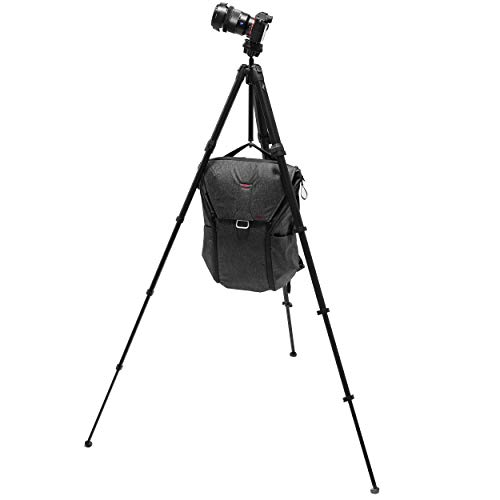
- Hang your bag from the hook so it just touches the ground, adding mass without swinging.
- Block the wind during each exposure: stand upwind of the tripod, or move behind a rock or your car.
- Use a 2-second self-timer or a remote release, then wait for the head to settle.
- Check the first frame at 100% on the screen before you shoot the sequence, and wipe dew off the lens between runs.
Astrophotography Tripod Problems Owners Run Into, and the Fix
Most night shake comes from five repeat problems, and each has a simple fix.
A travel tripod that feels too wobbly. Photographers who add astro to a small travel tripod hit this, a recurring theme in DPReview threads. One wrote: “i’m afraid the travel one is too small and wobbly for logn exposure with nd filters or astro or when using the 100-400”. The fix is load headroom and thicker tubes: the Tortoise or Mach3, or the Peak Design used camera-only with short legs.
A raised center column that rings. A reply in r/AskPhotography put it plainly: “The extended center column just serves to amplify and prolong the vibrations you introduced by tripping the shutter.” Keep it down, or remove the problem with the columnless Tortoise.
Wind at an open dark site. Photo Stack Exchange answers note: “Wind will vibrate across the legs and transmit up to the camera.” Lower the tripod, shield it and hang weight. Benro’s spiked feet on the Tortoise and Mach3 help on soft ground.
Leg locks you can’t work in gloves. Owners split on this. One r/photography poster wrote: “I prefer twist because they are easier to deal with with gloves and mittens on, and they’re smaller and lighter.” Others prefer levers. If you shoot in winter, my rule is a twist lock collar (Tortoise, Mach3) for mittens and levers (Befree, 055 kit, Peak Design cams) for thin gloves.
No good way to add weight. Another Photo Stack Exchange answer says: “Some tripods come with a hook that you can hang your bag on to use for your extra mass, which helps a bit.” Check the hook before you buy, and let the bag touch the ground so it can’t swing.
Which Astrophotography Tripod Should You Get?
Pick by where the tripod travels and what sits on top of it. This chooser follows the load and height math above.
| Your night setup | My pick | Why |
|---|---|---|
| Camera and wide lens, you fly | Peak Design Travel (Carbon) | 39.4 cm folded, 130.2 cm column down |
| Camera and tracker, you hike to the spot | Benro Tortoise 24C + GX30 | 14 kg at 1.51 kg, no column |
| Tracker plus a telephoto, or you are tall | Benro Mach3 TMA37C | 16 kg, 161.5 cm, add a head |
| Backyard or roadside, car nearby | Manfrotto 055 kit | 151.5 cm column down, 15 kg |
| First Milky Way kit, no tracker | Manfrotto Befree Advanced | Complete kit, 128 cm column down |
Our Verdict on the Best Tripod for Astrophotography
For most night shooters, the Benro Tortoise 24C with GX30 Ball Head is the tripod I’d take to the dark site. Back at that 1 a.m. frame with stretched stars, its 14 kg rating and missing column remove the two usual causes. If you fly, the Peak Design carbon tripod is the lighter answer for a camera alone. If wind is still beating you, our guide on how to stop tripod shake in wind goes deeper.
Questions photographers ask
Do you need a special tripod for astrophotography?
No. Any tripod that stays still for 15 to 30 seconds with the column down works for a camera and a wide lens. A special choice only matters when you add a star tracker: then pick a tripod rated for about three times the combined weight, such as the 14 kg Benro Tortoise 24C or the 16 kg Benro Mach3 TMA37C.
How much weight should an astrophotography tripod hold?
Add up camera, lens, head and tracker, then multiply by three. A camera, 14mm lens and Star Adventurer come to about 3.6 kg, so aim near 11 kg. A camera and wide lens alone, about 1.9 kg, need roughly 6 kg.
Is a travel tripod good enough for Milky Way photography?
For a camera-only kit, yes, if you keep the center column down and stay out of the wind. The Peak Design carbon tripod gives 130.2 cm that way. For a tracker or a lens longer than about 50mm, a heavier tripod such as the Benro Tortoise is the safer choice.
Carbon fiber or aluminum for night photography?
Carbon fiber is lighter for its stiffness and less cold to the touch on winter nights. Aluminum, like the Manfrotto 055 kit, is cheaper and works well when you shoot near the car.
Should an astrophotography tripod have a center column?
It can have one, but keep it down during exposures. A raised column amplifies vibration from the shutter and wind. A columnless tripod like the Benro Tortoise 24C removes that weak point, at the cost of a fixed maximum height.
Why you can trust this guide
- Products are checked against manufacturer specifications, user manuals and long-term owner reports.
- Each pick is scored on the Best Tripod Score: stability, portability (weight and folded length), working height, build quality and value. Scores come from published specs and owner reports, not hands-on testing.
- We never accept payment for placement. Affiliate commissions do not affect rankings.
Last reviewed . Read our research process and editorial policy, or report an error.
Sources
- Benro USA: Tortoise 24C with GX30 head (TTOR24CGX30)
- Benro USA: Mach3 9X CF Series 3 Tripod (TMA37C)
- Peak Design: Travel Tripod
- Manfrotto: 055 Aluminum 3-Section Tripod Kit with Ball Head (MK055XPRO3-BHQ2)
- Manfrotto: Befree Advanced Aluminum Travel Tripod lever, ball head
- Skies & Scopes: Best astrophotography tripod
- Fstoppers: 4 tripods that give you the best bang for your buck
- Space.com: Best tripods for astrophotography
- PhotoPills: Best Milky Way photography gear
Reviews and discussions we read
- DPReview forums: owner review of the Benro Tortoise TTOR24C with GX30
- Fstoppers: Benro Tortoise 24C review
- Anders Noren: Peak Design Travel Tripod review
- Expert Vagabond: Peak Design Travel Tripod
- MobileSyrup: Peak Design carbon tripod review
- Backcountry: Peak Design Travel Tripod
- Facebook Milky Way Chasers: tripod recommendations thread
- Cloudy Nights: Benro Mach 3 tripod experience
- DPReview forums: experience with Benro Mach3 (TMA37C) tripods
- Devon Landscape Photography: Benro Mach 3 tripod review
- Kristine Rose Photography: the tripods I use for night photography
- Adorama: Manfrotto 055 tripod listing
- Adorama: Manfrotto 055 kit
- B&H customer reviews of the MT055XPRO3
- DPReview forums: Befree Advanced lever vs twist lock
- DPReview forums: Befree Advanced M-lock or lever lock?
- DPReview forums: Befree Advanced, how good is it?
- Adorama: Befree Advanced Lever aluminum customer reviews
- ePHOTOzine: Befree Advanced Aluminium review

Best Tripod Editorial Team
Research & editorial
We research tripods, monopods and heads for photographers and video creators: real working height with and without the center column, load capacity against the gear you actually shoot, packed length for a carry-on, leg-lock speed and Arca-Swiss compatibility. Every guide follows our published research process and editorial policy.