In this guide (11 sections)
- Our top picks
- How a Tripod for Northern Lights Differs From an Astro Tripod
- How I Picked These Northern Lights Tripods
- The 5 Best Tripods for Northern Lights
- Which Northern Lights Tripod Should You Get
- Northern Lights Tripod Cold Ratings and Materials
- Tripod Leg Locks for Northern Lights in Gloves
- How to Set Up a Tripod for Northern Lights in Wind and Snow
- Northern Lights Tripod Problems Owners Run Into, and the Fix
- Our Verdict on the Best Tripod for Northern Lights
- Questions photographers ask
We earn a commission if you buy through links on this page, at no extra cost to you. It never changes what we recommend. How we make money.
How we picked these
- Review themes from 1,246 verified-buyer and owner reviews on retailer sites, so every pick shows what buyers praise and complain about.
- 28 owner posts, user discussions and expert reviews read across 16 sources.
- Every spec checked against 11 maker and retailer pages.
- We did not test these products ourselves, and we say so. All sources are linked at the end of this guide.
Our top picks
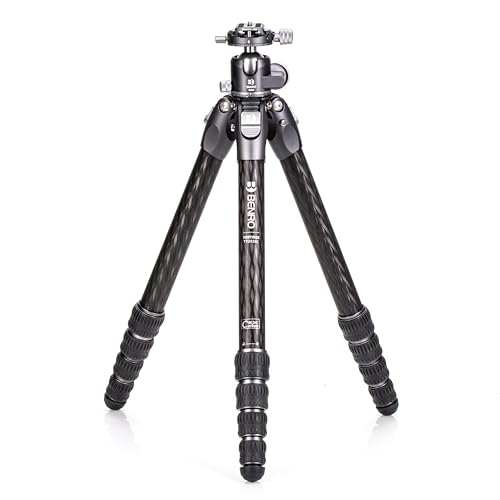
 Best overall for aurora trips · 3.7/5Gitzo Series 1 Traveler Carbon Fiber Tripod with Center Ball Head (GK1545T)
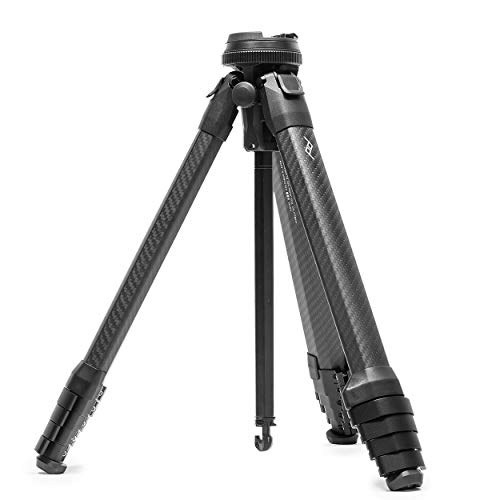 Best for carry-on and iPhone aurora shots · 3.9/5Peak Design Travel Tripod (Carbon Fiber)
 Best for wind and self-drive trips · 3.8/5Manfrotto 055 Aluminum 3-Section Tripod Kit with Ball Head
 Best budget carbon tripod · 3.4/5Benro Slim Carbon Fiber Tripod Kit (TSL08CN00)
 Best low-cost aluminum tripod · 3.5/5K&F Concept 64 inch Aluminum Travel Tripod
The short answer
- My best overall pick is the Gitzo Series 1 Traveler kit: carbon legs rated to -30 °C, twist locks, 140.5 cm with the column down and a 42.5 cm fold that fits a carry-on.
- Aurora frames run 1 to 10 seconds with no tracker, so a camera and fast wide lens of about 1.9 kg is the load. Wind and cold decide the tripod, not weight.
- For wind on a self-drive trip, the Manfrotto 055 kit's 30 mm aluminum legs and 15 kg rating are the steadiest here, at 3 kg and 72.5 cm folded.
- On a budget, the Benro Slim carbon kit weighs 1.01 kg; for phone-only aurora shots, the Peak Design Travel Tripod has a phone mount built in.
The best tripod for northern lights is a steady, packable tripod that works in gloves, survives Arctic cold and holds a camera with a fast wide lens in wind. My best overall pick is the Gitzo Series 1 Traveler Carbon Fiber Tripod with Center Ball Head (GK1545T): carbon legs, twist locks, a 42.5 cm fold for the flight and a -30 °C rating. If you also shoot the Milky Way with a tracker, our tripods for astrophotography cover heavier loads.
Picture it: you flew to Tromsø, the sky turns green over a frozen beach, the wind gusts off the sea, and the first 4-second frame shows double stars. The aurora is fine. The tripod moved.
How a Tripod for Northern Lights Differs From an Astro Tripod
A tripod for northern lights carries less weight than an astro rig, but it has to cope with more wind, deeper cold and a flight. PhotoPills recommends a shutter speed of 1 to 10 seconds for the aurora at an f-number of f/2.8 to f/4. That is short by long-exposure photography standards, so there is no star tracker to carry. The usual kit is a mirrorless camera with a fast wide-angle lens, often a 14-24mm zoom lens on a full-frame image sensor; on APS-C, the 1.5x crop factor makes a 10-16mm zoom the match. Skies & Scopes puts a full-frame body, 14mm lens and tracker at 3.6 kg; drop the 1.7 kg tracker and a typical aurora kit is about 1.9 kg. At the three-times margin many night shooters use, that means a tripod rated near 5.7 kg.

This table compares my five northern lights tripods on the specs that decide an Arctic night: rated load, cold rating, lock type and packed size.
| Tripod | Max load | Weight | Column down | Folded | Locks | Cold rating |
|---|---|---|---|---|---|---|
| Gitzo GK1545T kit | 10 kg | 1.45 kg | 140.5 cm | 42.5 cm | Twist | -30 °C |
| Peak Design Travel (Carbon) | 9.1 kg | 1.29 kg | 130.2 cm | 39.4 cm | Cam lever | Not published |
| Manfrotto 055 kit | 15 kg | 3 kg | 151.5 cm | 72.5 cm | Flip | -30 °C |
| Benro Slim Carbon | 4 kg | 1.01 kg | 122.9 cm | 51 cm | Twist | Not published |
| K&F Concept 64” | 8 kg | 1.15 kg | Not listed | 39.5 cm | Flip | Not published |
Four of the five clear the 5.7 kg target. The Benro Slim covers a 1.9 kg kit about twice, so I’d keep it for lighter mirrorless kits. Once load is covered, wind decides sharpness.
How I Picked These Northern Lights Tripods
Each tripod here is named by at least two pages that rank for this search or its close variants, and each has its own Amazon US listing. I read the aurora gear guides from Kevin Pepper, Dave Morrow, The Aurora Guy and Nat Hab, plus Iceland Photo Map, Photography Life and Matt Purciel’s travel tripod list. I kept only models two or more of them recommend, then checked every spec against Gitzo, Peak Design, Manfrotto, Benro and K&F Concept.
We read 28 owner reviews and forum posts across DPReview, Fred Miranda, Reddit, Peak Design’s review page and retailer pages. We have not run our own trials; the judgement comes from published specs, owner reports and my own load and cold-rating math.
From our notes: The -30 °C figure on Gitzo’s and Manfrotto’s spec sheets is what reshaped this list. We started ranking by weight for the flight. Then Nat Hab’s Churchill guide noted nights below -30 °F, which is about -34 °C, colder than either maker’s rated floor. Three of our five picks publish no cold rating at all. So we added a cold column, leaned on the one freezer report we found for the Benro, and moved twist-lock carbon to the top for fly-in trips.
The 5 Best Tripods for Northern Lights
Start with how you reach the aurora: by plane with a carry-on, by car to a windy shore, or on foot through snow.

Gitzo Series 1 Traveler Carbon Fiber Tripod with Center Ball Head (GK1545T): Best overall for aurora trips
3.7Best Tripod Spec Score out of 5
- Stability7/10
- Portability (weight and folded length)8/10
- Working height8/10
- Build (materials, leg locks, head)9/10
- Value5/10
I scored build high for the carbon legs and the published -30 °C rating, portability for the 42.5 cm fold, and height for 140.5 cm column down; the premium price and a head without friction control hold value back.
What we like
- -30 °C (-22 °F) minimum working temperature, per Gitzo
- 140.5 cm (55.31 in) with the column down; folds to 42.5 cm (16.73 in)
- Twist locks, Arca-Swiss compatible plate and independent pan lock
What we don't like
- Kit ball head has no friction control knob, per Gitzo and owners
- Only two leg angles, and owners find Series 1 legs short of steady in strong wind
What owners and reviewers say from 8 reviews and posts we read
Praised for
- Strong weight, size and stability ratio for flights and hikes
- Column-down height is enough for owners around 5 ft 7 in to 5 ft 11 in
- Build quality and reliability over years of use
Common complaints
- The kit ball head lacks a real friction control
- Owners say a Series 1 will not withstand much wind with long lenses
Read on: DPReview forums: Are the PD clones worth it over a Gitzo Traveler? · Fred Miranda forums: Gitzo 2-series vs 1-series tripod · FujiX-Forum: Peak Design Travel Tripod or Gitzo GK1545T-82TQD · Fred Miranda forums: travel tripod, tall but heavy-ish vs lighter
Who it's for: Aurora travelers who fly to Norway, Finland, Iceland or Alaska with a mirrorless or DSLR body and a wide lens. Key caveat: the kit head has no friction control, and owners say a Series 1 is not for strong wind with long lenses.
The Gitzo Series 1 Traveler Carbon Fiber Tripod with Center Ball Head (GK1545T) is a 4-section carbon fiber travel tripod kit from Gitzo, and it is my best overall pick for aurora trips. Gitzo lists a minimum working temperature of -30 °C (-22 °F) for the kit, one of only two published cold ratings in my list.
The legs reverse-fold around the head to 42.5 cm, so it fits a carry-on, yet it still gives 140.5 cm with the column down. The 10 kg safety payload clears a 1.9 kg aurora kit five times over. Twist locks have no levers to snap in the cold.
Owners on DPReview and Fred Miranda praise the size-to-stability ratio and years of reliability. The complaints are the kit head, which has no friction control, and wind: some owners say a Series 1 will not withstand much of it with long lenses. With a wide lens, the column down and the bag on a hook, I’d still take it first.
Peak Design Travel Tripod (Carbon Fiber): Best for carry-on and iPhone aurora shots
3.9Best Tripod Spec Score out of 5
- Stability7/10
- Portability (weight and folded length)10/10
- Working height7/10
- Build (materials, leg locks, head)9/10
- Value6/10
I gave it top portability for the 39.4 cm fold and 1.29 kg; stability drops for five thin sections in wind, and the premium price holds value back.
What we like
- Folds to 39.4 cm (15.5 in) at 1.29 kg (2.81 lb)
- 20 lb (9.1 kg) capacity and 130.2 cm (51.25 in) with the column down
- Built-in, stowable phone mount for iPhone or Android aurora shots
What we don't like
- Thin lower leg sections, a weak spot in wind
- No published cold rating; spike feet are an extra, and owners say the case won't close with them fitted
What owners and reviewers say review themes from 1,236 owner reviews, plus 7 posts and reviews we read
Praised for
- A Fairbanks aurora photographer reports using it night after night at -40 °F to -50 °F
- Fast to set up and compact enough for a bag side pocket
- Locking ring keeps the camera secure in the plate
Common complaints
- Legs need tightening so they don't slip under a heavy camera or bag
- The case is too tight once the optional spike feet are fitted
- A plastic part snapped for one owner during a leg swap
Read on: Peak Design: Travel Tripod owner reviews (1,236 reviews) · r/photography: Going to Norway to shoot northern lights, Ulanzi or Peak Design?
Who it's for: Fly-in aurora travelers with a mirrorless camera or a phone who count every gram. Key caveat: thin lower sections, so keep them collapsed in wind, and the spike feet are sold separately.
The Peak Design Travel Tripod (Carbon Fiber) is a 5-section carbon fiber travel tripod from Peak Design, and it is my pick when every gram of the carry-on counts. It folds to 39.4 cm, weighs 1.29 kg and holds 9.1 kg, with 130.2 cm of height column down.
What I like for aurora trips is the built-in, stowable phone mount: one tripod covers a camera and a phone in night mode.
Peak Design publishes no cold rating, but a Fairbanks aurora photographer reviewing it on Peak Design’s site reports using it night after night at -40 °F to -50 °F. Other owners report the legs need tightening under a heavy bag, and that the case won’t close with the optional spike feet fitted. A reply in an r/photography thread about a Norway aurora trip says its writer does not like the Peak Design in either aluminum or carbon. I’d keep the two thinnest sections collapsed in wind.
Manfrotto 055 Aluminum 3-Section Tripod Kit with Ball Head: Best for wind and self-drive trips
3.8Best Tripod Spec Score out of 5
- Stability9/10
- Portability (weight and folded length)4/10
- Working height9/10
- Build (materials, leg locks, head)8/10
- Value8/10
I rated stability and height highest for the 30 mm legs and 151.5 cm column down; 3 kg and a 72.5 cm fold pull portability down.
What we like
- 30 mm top leg tubes and a 15 kg (33.07 lb) safety payload, per Manfrotto
- 151.5 cm (59.65 in) with the column down; -30 °C working rating
- Flip locks that a Churchill tour leader calls easy to adjust in gloves
What we don't like
- Heavy at 3 kg (6.61 lb) and long at 72.5 cm (28.54 in) folded
- Aluminum legs get very cold; the 200PL-14 plate is not Arca-Swiss
What owners and reviewers say from 7 reviews and posts we read
Praised for
- Very sturdy and steady in wind
- Easy to adjust with gloves on, per an aurora tour leader who lends them
- Leg diameter recommended over thinner Manfrotto series for Iceland
Common complaints
- Not light to carry
- Owners rate the bundled heads below the legs
Read on: Nat Hab: Preparing for photographing the northern lights · DPReview forums: Help choosing a tripod for Iceland · Kristine Rose Photography: the tripods I use for night photography · B&H customer reviews of the MT055XPRO3
Who it's for: Self-drive aurora chasers in Iceland or northern Norway, and anyone who shoots near the car. Key caveat: 3 kg and 72.5 cm folded mean checked luggage, and bare aluminum gets painfully cold.
The Manfrotto 055 Aluminum 3-Section Tripod Kit with Ball Head is a 3-section aluminum tripod kit from Manfrotto, and it is my pick for windy shores you reach by car. Its top leg tubes are 30 mm, the safety payload is 15 kg, and Manfrotto rates it to -30 °C.
Nat Hab lends 055XPROB tripods on its Churchill aurora trips and says they are easy to adjust with gloves on and won’t vibrate or fall over in the wind. A DPReview reply on Iceland tripods agrees: “the 190 and 290 series are just too spindly.”
The cost is the carry. At 3 kg and 72.5 cm folded, it goes in checked luggage or the car. Bare aluminum also gets painfully cold, so I’d wrap the top sections with leg warmers. The 200PL-14 plate uses Manfrotto’s RC2 clamp, not Arca-Swiss.
Benro Slim Carbon Fiber Tripod Kit (TSL08CN00): Best budget carbon tripod
3.4Best Tripod Spec Score out of 5
- Stability5/10
- Portability (weight and folded length)8/10
- Working height6/10
- Build (materials, leg locks, head)7/10
- Value9/10
I scored value highest for a carbon kit at this price and portability for 1.01 kg; the 4 kg rating and 122.9 cm column-down height keep stability and height modest.
What we like
- 1.01 kg (2.22 lb) carbon kit with N00 ball head and PU30 plate
- Locks still worked after 24 hours in a freezer, per Shutter Muse
- Twist locks and a 51 cm (20.07 in) fold
What we don't like
- 4 kg (8.81 lb) payload leaves the smallest margin here
- Ball head is sticky for fine moves; 122.9 cm column down is short for tall shooters
What owners and reviewers say from 3 reviews and posts we read
Praised for
- Clean carbon build and a well-machined aluminum plate
- Light enough to carry on long hikes and trips
Common complaints
- The ball head moves in jerky steps once unlocked
- The thin bottom sections feel less steady extended
Read on: Shutter Muse: Benro TSL08CN00 carbon tripod review · Fstoppers: Benro Slim and Benro Tortoise review · Fred Miranda forums: Anyone used the carbon fiber Benro Slim?
Who it's for: First aurora trips with a mirrorless body and a compact wide prime, especially hike-in spots on snow. Key caveat: 4 kg load and 122.9 cm with the column down, so tall shooters stoop and wind needs care.
The Benro Slim Carbon Fiber Tripod Kit (TSL08CN00) is a 4-section carbon fiber travel tripod kit from Benro, and it is my budget carbon pick. It weighs 1.01 kg with the N00 ball head and folds to 51 cm, the lightest tripod in my list.
The cold story is the best I found for a budget tripod. Shutter Muse froze one for 24 hours and reports that “all leg locks and angle adjustments still worked just fine.” The twist locks also suit mittens.
The limits are load and height. Benro rates it for 4 kg, so I’d use a mirrorless body with a compact wide prime, and collapse the thinnest section in wind, as Shutter Muse advises. It gives 122.9 cm with the column down, low for tall shooters. Owners also call the ball head sticky for small moves.
K&F Concept 64 inch Aluminum Travel Tripod: Best low-cost aluminum tripod
3.5Best Tripod Spec Score out of 5
- Stability6/10
- Portability (weight and folded length)8/10
- Working height7/10
- Build (materials, leg locks, head)6/10
- Value9/10
I score value highest for an 8 kg rating, a ball head and a 39.5 cm fold at a low cost; plastic parts and wobble at full height keep build and stability at 6.
What we like
- 17.6 lb (8 kg) rated load at 1.15 kg (2.5 lb)
- Reaches 64 in (163 cm) and folds to 15.5 in (39.5 cm)
- 36 mm ball head with Arca-type plate and bubble level
What we don't like
- Some plastic parts feel brittle, a concern in hard frost
- Less steady at full height with the column raised
What owners and reviewers say review themes from 10 owner reviews, plus 3 posts and reviews we read
Praised for
- Sturdy metal legs and a good height for the money
- Ball head is easy to aim and has a bubble level
- Folds small and comes with a case
Common complaints
- Plastic parts feel cheap or brittle
- Less steady at maximum height
- The weight hook is small
Read on: Pack Hacker: K&F Concept 64" Camera Tripod review · K&F Concept: O234A1+BH-36 customer reviews (10 reviews) · r/photography: What's the deal with K&F Concept?
Who it's for: Budget aurora travelers with a mirrorless camera or light DSLR who want a real tripod in the suitcase. Key caveat: some plastic parts, and owners find it less steady at full height.
The K&F Concept 64 inch Aluminum Travel Tripod is a 4-section aluminum travel tripod from K&F Concept, and it is my low-cost pick for a first aurora trip. It is rated for 8 kg at 1.15 kg, reaches 163 cm and folds to 39.5 cm with a 36 mm Arca-type ball head.
That 8 kg rating clears the 5.7 kg aurora target with room to spare. The flip locks are easy to see and close in gloves.
Owners like the sturdy legs and height for the money. They also report plastic parts that feel brittle, and Nat Hab warns that plastic pieces are “prone to disaster in icy conditions”. So for the coldest inland trips I’d choose carbon with metal locks instead, and with the K&F I’d keep the column down, since owners find it less steady at full height.
Which Northern Lights Tripod Should You Get
Pick by how you travel to the aurora, then by budget. This chooser follows the load, cold and size numbers above.

| Your aurora trip | My pick | Why |
|---|---|---|
| Fly-in tour, carry-on only | Gitzo GK1545T kit | 42.5 cm fold, -30 °C rating |
| Lightest bag, or phone plus camera | Peak Design Travel (Carbon) | 39.4 cm, 1.29 kg, phone mount |
| Self-drive Iceland or Norway, windy shores | Manfrotto 055 kit | 30 mm legs, 15 kg, 151.5 cm |
| Hike-in snow on a budget | Benro Slim Carbon | 1.01 kg, froze for 24 hours and worked |
| First trip, lowest cost | K&F Concept 64” | 8 kg rating, 39.5 cm fold |
Northern Lights Tripod Cold Ratings and Materials
A tripod for northern lights faces colder nights than most makers rate: only two tripods here publish a cold rating, and the coldest aurora nights go past it. Nat Hab reports Churchill air temperatures below -30°F at night, without wind chill. That is about -34 °C, colder than the -30 °C floor Gitzo and Manfrotto publish.
What that means in practice:
- Carbon fiber stays closer to neutral temperature, so it is kinder to hands than aluminum, as Iceland Photo Map notes.
- Aluminum gets painfully cold; add leg warmers or always wear liners.
- Plastic parts are the weak point in hard frost, which is why I rank the K&F lower for deep cold.
- Wet locks freeze. Dry the legs fully extended before you collapse them.
Our carbon fiber vs aluminum comparison for hiking goes deeper on weight and feel.
Tripod Leg Locks for Northern Lights in Gloves
A tripod for northern lights needs locks and a tripod head you can work in mittens, so choose big twist collars or big flip levers and practice before you go. Owners split here. One r/photography poster wrote: “I prefer twist because they are easier to deal with with gloves and mittens on, and they’re smaller and lighter.” Nat Hab, on the other hand, picks the flip-lock 055 for its glove-friendly locks.
My rule: twist locks (Gitzo, Benro) for mittens and frost, flip locks (Manfrotto, K&F) for thin liners and quick checks. The Peak Design cam levers sit in between. For the tripod head, a ball head with one large knob is easiest; The Aurora Guy also looks for a ball head that is easy to operate in the cold and with gloves on. Nat Hab recommends touch-screen liners inside mitts, since merino liners wear through on cold dials and tripods. Our twist lock vs flip lock comparison explains the trade-offs.
How to Set Up a Tripod for Northern Lights in Wind and Snow
Set the legs before they touch snow, keep the tripod low and wide, and fire without touching the camera. These steps work with all five tripods:

- Extend the thickest leg sections first, before the feet go into snow, so snow stays out of the locks. Use a red headlamp rather than a white flashlight so your night vision holds.
- Fit snow discs for powder or spikes for ice; small rubber feet sink or slide.
- Keep the center column fully down and the thinnest sections collapsed.
- Spread the legs wide and point one leg into the wind.
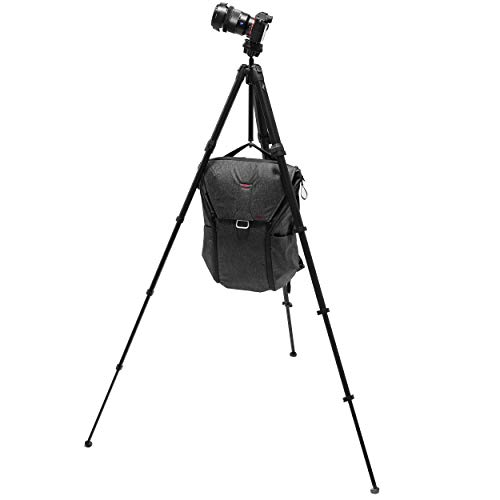
- Hang your bag from the hook so it just touches the snow.
- Turn off image stabilization and use a 2-second timer, or 5 seconds in wind as PhotoPills suggests. For a timelapse or a star trail stack, an intervalometer fires frames without touching the tripod.
- Check the first frame at 100%, where tripod shake smears each star across several pixels, and wipe frost off the camera lens between bursts.
- Keep a spare camera battery in an inside pocket; Nat Hab’s guide says a battery that lasts 900 shots may give about 100 in extreme cold.
The B&H video below walks through aurora gear and camera settings for Iceland.
Northern Lights Tripod Problems Owners Run Into, and the Fix
Most failed aurora frames come from four repeat tripod problems, and each has a fix.
A light tripod in Arctic wind. A DPReview reply on Iceland tripods warns: “You can also forget long exposures in anything but the calmest wind and weather conditions.” Another adds that you should “ensure there is a hook at the bottom of the center column.” Lower the tripod, hang weight and, if you drive, take the Manfrotto 055. Our guide on how to stop tripod shake in wind has more fixes.
Thin legs and plastic in icy cold. Nat Hab writes: “Travel tripods, thin aluminum tripods, or any tripod with plastic pieces are prone to disaster in icy conditions.” Pick carbon with metal locks, such as the Gitzo or Benro, for the coldest trips.
Legs that sink in snow. Kevin Pepper suggests the maker’s optional spikes for icy ground. For powder, wide snow shoes work better; our guide to tripod feet for sand, snow and rock matches feet to surfaces.
Wind shake you can feel through the legs. A Photo Stack Exchange answer notes: “Wind will vibrate across the legs and transmit up to the camera.” Stand upwind of the tripod, or shoot from behind the car.
Our Verdict on the Best Tripod for Northern Lights
For most aurora travelers, the Gitzo Series 1 Traveler kit is the tripod I’d pack. Back on that windy Tromsø beach, its twist locks work in gloves, its -30 °C rating covers most nights, and a low, wide stance with the bag on the hook stops the double stars. If you drive and the wind is fierce, the Manfrotto 055 kit is the steadier answer. If you also want to shoot with your phone, see our tripods for iPhone night mode.
Questions photographers ask
Do you need a tripod for the northern lights?
Yes, for a camera. Aurora frames run 1 to 10 seconds, and no one holds a camera still that long. A phone in night mode can work handheld for a quick snap, but a small tripod or a phone mount gives sharper stars and lets you shoot a sequence.
Is a carbon fiber or aluminum tripod better for northern lights?
Carbon fiber is nicer in the cold because it feels less icy to touch and weighs less, which matters when you fly. Aluminum is cheaper and the heavy Manfrotto 055 is very steady in wind. Gitzo's carbon kit and the aluminum 055 kit both carry a -30 °C working rating.
What is the best iPhone tripod for northern lights?
If you want one tripod for a phone and a camera, I'd take the Peak Design Travel Tripod (Carbon Fiber): its phone mount is built in and stows away inside the tripod. For a phone only, any steady tripod with a phone clamp works; our guide to tripods for iPhone night mode covers smaller options.
Can I use a travel tripod for northern lights in Iceland?
Yes, if you treat wind as the main problem. Keep the column down, leave the thinnest leg sections collapsed, spread the legs wide and hang your bag from the hook. In strong gusts a heavier tripod such as the Manfrotto 055 kit is the safer choice.
How tall should a tripod for northern lights be?
You mostly aim up at the sky, so the camera can sit a little below eye level. With the column down, the Manfrotto 055 kit gives 151.5 cm, the Gitzo kit 140.5 cm and the Peak Design 130.2 cm. Bending to a short tripod is harder in a thick parka, so taller shooters should favor the first two.
Why you can trust this guide
- Products are checked against manufacturer specifications, user manuals and long-term owner reports.
- Each pick is scored on the Best Tripod Score: stability, portability (weight and folded length), working height, build quality and value. Scores come from published specs and owner reports, not hands-on testing.
- We never accept payment for placement. Affiliate commissions do not affect rankings.
Last reviewed . Read our research process and editorial policy, or report an error.
Sources
- Gitzo: Traveler Series 1 kit GK1545T-82TQDUS
- Peak Design: Travel Tripod
- Manfrotto: 055 Aluminum 3-Section Tripod Kit with Ball Head (MK055XPRO3-BHQ2)
- Benro USA: Slim Tripod Kit, Carbon Fiber (TSL08CN00)
- Shutter Muse: Benro TSL08CN00 carbon tripod review
- K&F Concept: tripods
- Nat Hab: Preparing for photographing the northern lights
- PhotoPills: Northern lights photography guide
- Skies & Scopes: camera tripods for astrophotography
- Iceland Photo Map: best tripods for Iceland photography
- Kevin Pepper Photography: accessories for an aurora adventure
Reviews and discussions we read
- DPReview forums: Are the PD clones worth it over a Gitzo Traveler?
- Fred Miranda forums: Gitzo 2-series vs 1-series tripod
- FujiX-Forum: Peak Design Travel Tripod or Gitzo GK1545T-82TQD
- Fred Miranda forums: travel tripod, tall but heavy-ish vs lighter
- Peak Design: Travel Tripod owner reviews (1,236 reviews)
- r/photography: Going to Norway to shoot northern lights, Ulanzi or Peak Design?
- Nat Hab: Preparing for photographing the northern lights
- DPReview forums: Help choosing a tripod for Iceland
- Kristine Rose Photography: the tripods I use for night photography
- B&H customer reviews of the MT055XPRO3
- Shutter Muse: Benro TSL08CN00 carbon tripod review
- Fstoppers: Benro Slim and Benro Tortoise review
- Fred Miranda forums: Anyone used the carbon fiber Benro Slim?
- Pack Hacker: K&F Concept 64" Camera Tripod review
- K&F Concept: O234A1+BH-36 customer reviews (10 reviews)
- r/photography: What's the deal with K&F Concept?

Best Tripod Editorial Team
Research & editorial
We research tripods, monopods and heads for photographers and video creators: real working height with and without the center column, load capacity against the gear you actually shoot, packed length for a carry-on, leg-lock speed and Arca-Swiss compatibility. Every guide follows our published research process and editorial policy.