In this guide (9 sections)
- Our top picks
- Tripod feet by surface: footprint and fit
- The 5 best tripod feet, pick by pick
- How to set tripod feet in sand and surf
- How to keep tripod feet from slipping on wet rock
- How to fit tripod snow shoes in deep snow
- How to swap tripod feet without losing one
- How I picked these tripod feet
- Questions photographers ask
We earn a commission if you buy through links on this page, at no extra cost to you. It never changes what we recommend. How we make money.
How we picked these
- Review themes from 77 verified-buyer and owner reviews on retailer sites, so every pick shows what buyers praise and complain about.
- 13 owner posts, user discussions and expert reviews read across 9 sources.
- Every spec checked against 11 maker and retailer pages.
- We did not test these products ourselves, and we say so. All sources are linked at the end of this guide.
Our top picks
 Best for sand and soft ground · 3.7/5Leofoto TFS-US Long Spike Set
 Best for wet rock · 4.0/5Really Right Stuff Rock Claw Tripod Foot Set
 Best for deep snow · 3.0/5Manfrotto 230 Tripod Snow Shoes
 Best universal disc · 3.6/5Leofoto TFW-2 Snow Shoes
 Best for Manfrotto 055 carbon · 3.5/5Manfrotto 204SPK3 Spiked Feet
The short answer
- Wet sand and surf: long spikes such as the Leofoto TFS-US, driven a few inches down. Wet or smooth rock: rock claws such as the Really Right Stuff set.
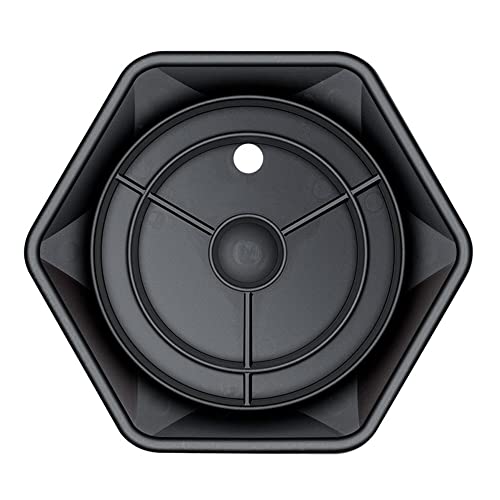
- Deep snow and dry sand: wide discs. The Leofoto TFW-2 (144 mm) and Manfrotto 230 (14 cm) spread the load over about 21 times the area of a 31 mm claw.
- Check fit first. Screw-in feet need a 3/8"-16 leg socket, and the Manfrotto 204SPK3 fits only 20.4 mm Manfrotto tubes such as the 055 carbon legs.
The best tripod feet for sand, snow and rock are three different feet: long spikes for wet sand, rock claws for wet rock, and wide snow shoes for powder and dry sand. I matched five sets to the surface each handles best. If you still need the legs themselves, start with our tripods for landscape photography.
Tripod feet by surface: footprint and fit
Tripod feet should match the ground: spikes dig into sand, claws bite rock, snow shoes float on snow. Stock rubber feet slide on ice and wear out on rock.

| Tripod feet | Type | Best surface | Fit |
|---|---|---|---|
| Leofoto TFS-US | 113 mm spike, rubber cap | Wet sand, mud, trail | 3/8” thread |
| Really Right Stuff Rock Claw | 31 mm claw | Wet or smooth rock | 3/8”-16 thread |
| Manfrotto 230 | 14 cm disc | Deep snow, dry sand | Slips over foot |
| Leofoto TFW-2 | 144 mm disc | Snow, sand, any leg | Rubber strings |
| Manfrotto 204SPK3 | Retractable spike | Soft ground, floors | 20.4 mm Manfrotto tube |
The 5 best tripod feet, pick by pick
Each type of tripod feet solves one surface, so most landscape shooters carry two sets.

Leofoto TFS-US Long Spike Set: Best tripod feet for sand and soft ground
3.7Best Tripod Spec Score out of 5
- Stability8/10
- Portability (weight and folded length)7/10
- Working height7/10
- Build (materials, leg locks, head)8/10
- Value7/10
I score it high on stability in sand and soft ground and on build; my value score reflects that it covers most surfaces except snow.
What owners and reviewers say from 2 reviews and posts we read
Praised for
- Holds well in shifting sand and on mixed trail
- Rubber caps make switching between spike and rubber quick
Common complaints
- Plain spikes keep sinking in snow
- The small caps have to be tracked so they are not lost
Read on: Hudson Henry, Approaching the Scene 141 (tripod feet he carries) · Scott Davenport, A Great Set Of Tripod Spikes
Who it's for: Seascape and hiking shooters with a tripod that takes 3/8" screw-in feet. Key caveat: the spikes keep sinking in snow, and the small caps are easy to lose.
The Leofoto TFS-US Long Spike Set is a set of three screw-in spiked tripod feet from Leofoto. Each Leofoto TFS-US Long Spike Set spike is 113 mm (4.44 in) long on a 3/8” thread, and the set weighs 324 g. Wet sand a few inches down is firm, and the spike reaches it before the leg tube does. The removable rubber caps cover the points for wood floors and packing. Hudson Henry carries these and praises the caps, but warns they are small and easy to lose. Plain spikes keep sinking in snow, so I pair them with a disc for winter.
Really Right Stuff Rock Claw Tripod Foot Set: Best tripod feet for wet rock
4.0Best Tripod Spec Score out of 5
- Stability9/10
- Portability (weight and folded length)9/10
- Working height6/10
- Build (materials, leg locks, head)9/10
- Value5/10
I rate it highest for grip on rock and for build; my value score is low because it costs more than the Leofoto sets.
What owners and reviewers say from 2 reviews and posts we read
Praised for
- Grips rock, creek beds, wood platforms and soft ground well enough to leave on
- Wider contact than a spike on rock
Common complaints
- Long spikes hold better when the tide washes over the feet
- Expensive next to other claw sets
Read on: ScottymanPhoto, Spikes vs. Claws vs. Rubber Feet · Photography Life, How to Make Your Tripod More Stable (reader comments)
Who it's for: Landscape shooters who work streams, coasts and rocky trails and want one foot to leave on. Key caveat: in surf, long spikes hold better, and the claws can mark floors.
The Really Right Stuff Rock Claw Tripod Foot Set is a set of three stainless steel claw tripod feet from Really Right Stuff. Each Really Right Stuff Rock Claw Tripod Foot Set claw is 1.2 in (31 mm) wide and 15 mm tall, weighs 44 g and fits any 3/8”-16 socket that sits flush with the leg end. Scalloped teeth grip wet granite where a single spike point skids, and ABP O-rings stop the feet backing out. ScottymanPhoto left claws on two tripods, but still prefers long spikes when the tide washes over the legs. I’d pick this set if most of my shots start in a stream.
Manfrotto 230 Tripod Snow Shoes: Best tripod feet for deep snow
3.0Best Tripod Spec Score out of 5
- Stability7/10
- Portability (weight and folded length)4/10
- Working height6/10
- Build (materials, leg locks, head)6/10
- Value7/10
I give it good stability on soft surfaces, but my portability and build scores drop for its bulk and cords that cannot be replaced.
What owners and reviewers say review themes from 33 owner reviews, plus 4 posts and reviews we read
Praised for
- Gave a light tripod stable footing for beach long exposures
- Useful in deep snow
Common complaints
- The rubber straps wear out and cannot be bought alone
- Some beach shooters prefer pushing legs into sand over a disc on top
Read on: DPReview forum, Great accessory - Manfrotto tripod shoes · B&H, Manfrotto 230 All Weather Tripod Shoes reviews and Q&A (33 reviews)
Who it's for: Winter and beach long-exposure shooters on mid-size legs. Key caveat: the cords sit loose on thin legs such as Gitzo Series 1, and replacement cords are not sold separately.
The Manfrotto 230 Tripod Snow Shoes are a set of three slip-on tripod snow shoes from Manfrotto. Each Manfrotto 230 Tripod Snow Shoes disc is 5.5 in (14 cm) across and presses over the foot already on the leg, held by a rubber cord, so no tools are needed. A DPReview member used them for Cape Cod beach long exposures on a Slik Pro tripod. B&H owners report the cords wear out, are not sold alone and sit loose on thin Gitzo Series 1 legs. I’d buy these for winter long exposures on mid-size legs.
Leofoto TFW-2 Snow Shoes: Best tripod feet for dry sand and snow on any leg
3.6Best Tripod Spec Score out of 5
- Stability8/10
- Portability (weight and folded length)6/10
- Working height6/10
- Build (materials, leg locks, head)7/10
- Value8/10
I rate it a little steadier than the Manfrotto 230 for its wider disc, and I value that it fits more leg sizes.
What owners and reviewers say from 2 reviews and posts we read
Praised for
- The tripod barely sinks in snow once the shoes are stamped in
- Fits most tripods via the strings
Common complaints
- Big and bulky in a pack
Read on: Hudson Henry, Approaching the Scene 141 (Leofoto snowshoes) · Large Format 4x5 Black & White Landscape Photography (TFW-2 in use)
Who it's for: Snow and sand shooters with any tripod, including ones with fixed feet. Key caveat: the discs take room in a pack, so they suit car-based trips better than long hikes.
The Leofoto TFW-2 Snow Shoes are a set of three strap-on tripod snow and sand shoes from Leofoto. Each Leofoto TFW-2 Snow Shoes disc measures 144 mm by 67 mm and weighs 95 g, and two-piece rubber strings adjust to the leg diameter. That makes it my choice for tripods with fixed rubber feet, which can’t take screw-in spikes. Hudson Henry stamped them into snow near Mount St. Helens and the tripod barely sank, but he calls them bulky and better for car-based trips. On Amazon it ships from a third-party seller; I’d keep it for snow and dry sand, not rock.
Manfrotto 204SPK3 Spiked Feet: Best tripod feet for Manfrotto 055 carbon legs
3.5Best Tripod Spec Score out of 5
- Stability7/10
- Portability (weight and folded length)8/10
- Working height6/10
- Build (materials, leg locks, head)7/10
- Value6/10
I like the no-swap design, but my value score drops because it fits so few tripods and the spike is short.
What owners and reviewers say review themes from 44 owner reviews, plus 3 posts and reviews we read
Praised for
- Anchors the tripod in forest soil and on rock
- Works on older Manfrotto tripods
Common complaints
- Can spin on older legs unless taped
- No longer spike is available
Read on: B&H, Manfrotto 204SPK3 reviews and Q&A (44 reviews) · DPReview forum, Spikes versus rubber feet on tripod
Who it's for: Owners of Manfrotto legs with a 20.4 mm tube (055CX3, 055CXPRO3, 055XPROB, 3021). Key caveat: an owner answer says it won't fit the 22.4 mm MT055XPRO3, and no longer spike is offered.
The Manfrotto 204SPK3 Spiked Feet are a set of three rubber tripod feet with a retractable spike from Manfrotto. The Manfrotto 204SPK3 Spiked Feet fit Manfrotto’s 20.4 mm tube on the 055CX3 and 055CXPRO3, and B&H answers add the 055XPROB and 3021. The rubber foot screws back to expose an anodized aluminum spike, so I switch between floor and dirt without a tool. One B&H owner uses them in forest soil and on rock; another tapes older legs to stop the feet spinning. They won’t fit the 22.4 mm MT055XPRO3, and no longer spike is sold.
Which tripod feet should you get
- Wet sand, surf and mud: Leofoto TFS-US.
- Streams and wet granite: Really Right Stuff Rock Claw.
- Deep snow on mid-size legs: Manfrotto 230.
- Snow or sand on any tripod, even fixed feet: Leofoto TFW-2.
- Manfrotto 055 carbon, floor and dirt: Manfrotto 204SPK3.
How to set tripod feet in sand and surf
Tripod spikes hold in wet sand once driven about 4 in down, past the layer each wave washes away. A recurring r/photography tip adds old CDs under the legs on a sandy creek bed.
- Fit long spikes, or a disc for dry sand.
- Angle the legs in slightly; driving them down spreads them.
- Push each foot about 4 in into wet sand, as Lincoln Harrison does with claws after some 15 beach shoots.
- Let a few waves pass, then check the composition before the long exposure.
How to keep tripod feet from slipping on wet rock
Rock claws grip wet rock better than tripod spikes, because several teeth share the load and add traction where one point skids. A Backcountry Gallery forum member reports spiked feet that skid on smooth granite.


- Fit rock claws or keep rubber feet on.
- Seat each foot in a crack or rough patch, not on slick moss.
- Press on the head and watch live view for movement.
ScottymanPhoto’s video in this section compares spikes, claws and rubber feet.
How to fit tripod snow shoes in deep snow
Tripod snow shoes stop legs sinking in deep snow because a wide disc spreads the load far more than a claw or spike. A 5.7 in (144 mm) TFW-2 disc has about 163 cm² of surface area against 7.5 cm² for a 31 mm claw. For a 4 kg rig, that is roughly 8 g/cm² versus 177 g/cm², so the legs sink far less.
- Wrap the strap around the lowest leg section.
- Set the disc flat and stamp each leg in once.
- Extend the legs first, so snow stays out of the locks.
How to swap tripod feet without losing one
Swap tripod feet at the car, not on the trail: sand in the threads jams them and bare spikes cut through bags. Most interchangeable feet use a standard 3/8” thread, so one set fits any tripod or monopod with a 3/8” thread socket, as Lens Notes explains. Gitzo also sells spikes in different lengths, plus sand feet that clip onto them.
- Check the leg end for a 3/8”-16 socket; our hiking tripods with threaded feet note which legs take spikes.
- Turn the foot with the hex key through its hole.
- Rinse saltwater and sand off the threads, then keep caps and spares in one pouch.
How I picked these tripod feet
These tripod feet are the ones landscape photographers name in their own write-ups and videos, checked against maker specs. Each pick is named or shown on at least two independent pages, from Hudson Henry, Scott Davenport and ScottymanPhoto to Photography Life readers and DPReview threads. I verified dimensions on maker and B&H pages and checked each Amazon US listing. This is research, not hands-on testing.
From our notes: A 144 mm Leofoto TFW-2 disc covers about 21 times the area of a 31 mm claw, a number we worked out from the two spec sheets. Picture a seascape shooter at low tide walking from wet sand onto a barnacled ledge: we would fit spikes for the sand, pack claws for the rock, and leave the snow shoes for winter.
Next, read our guide to stopping tripod shake in wind, or use the tripod buying checklist.
Questions photographers ask
What are the best tripod feet for sand?
For wet sand and surf, long spikes such as the Leofoto TFS-US, pushed a few inches down until they stop sinking. For dry, loose sand, a wide disc such as the Leofoto TFW-2 or Manfrotto 230 keeps the legs on top.
Do tripod spikes work on rock?
Not well on smooth or wet rock; owners report spikes skidding on granite. Rock claws, with several teeth and a 31 mm contact area on the RRS set, grip better.
What tripod feet work in snow?
Snow shoes. Spikes and small rubber feet keep sinking, while a 14 cm to 144 mm disc spreads the load so the legs stay near the surface.
Do tripod feet fit any tripod?
Screw-in spikes and claws need a 3/8"-16 socket at the leg end; strap-on discs fit most legs; some feet, like the Manfrotto 204SPK3, fit only one tube size. Check your tripod's manual before ordering.
Can I leave spikes on all the time?
You can if they have rubber caps, like the TFS-US. Bare spikes mark floors, catch on bags and car seats, and are a hazard when you carry the tripod on your shoulder.
Why you can trust this guide
- Products are checked against manufacturer specifications, user manuals and long-term owner reports.
- Each pick is scored on the Best Tripod Score: stability, portability (weight and folded length), working height, build quality and value. Scores come from published specs and owner reports, not hands-on testing.
- We never accept payment for placement. Affiliate commissions do not affect rankings.
Last reviewed . Read our research process and editorial policy, or report an error.
Sources
- Really Right Stuff, Tripod Foot Rock Claw (3-Set) specifications
- B&H, Leofoto TFW-2 Snow Shoes (Set of 3)
- B&H, Manfrotto 230 (3255) All Weather Tripod Shoes
- B&H, Manfrotto 204SPK3 Retractable Spiked Feet
- Leofoto, TFS-US Spike/Rubber Feet specifications
- Lincoln Harrison, Tripod Rock Claws
- Lens Notes, What are Tripod Spikes?
- Photography Life, How to Make Your Tripod More Stable
- Backcountry Gallery forum, To Spike or Not?
- DPReview forum, Tripod mud/sand shoes
- Mark Denney, 6 Essential Tripod Accessories for Landscape Photography
Reviews and discussions we read
- Hudson Henry, Approaching the Scene 141 (Leofoto snowshoes)
- Scott Davenport, A Great Set Of Tripod Spikes
- ScottymanPhoto, Spikes vs. Claws vs. Rubber Feet
- Photography Life, How to Make Your Tripod More Stable (reader comments)
- DPReview forum, Great accessory - Manfrotto tripod shoes
- B&H, Manfrotto 230 All Weather Tripod Shoes reviews and Q&A (33 reviews)
- Large Format 4x5 Black & White Landscape Photography (TFW-2 in use)
- B&H, Manfrotto 204SPK3 reviews and Q&A (44 reviews)
- DPReview forum, Spikes versus rubber feet on tripod

Best Tripod Editorial Team
Research & editorial
We research tripods, monopods and heads for photographers and video creators: real working height with and without the center column, load capacity against the gear you actually shoot, packed length for a carry-on, leg-lock speed and Arca-Swiss compatibility. Every guide follows our published research process and editorial policy.