In this guide (8 sections)
- Our top picks
- Which tripod for wildlife photography: the short answer
- What a wildlife tripod must carry: lens weight and ratings
- Wildlife tripod legs: sections, material and height
- The head matters more: gimbal, ball or fluid
- Wildlife tripod problems owners run into, and the fix
- Tripod or monopod for wildlife?
- Questions photographers ask
We earn a commission if you buy through links on this page, at no extra cost to you. It never changes what we recommend. How we make money.
How we picked these
- 3 owner posts, user discussions and expert reviews read across 3 sources.
- Every spec checked against 9 maker and retailer pages.
- We did not test these products ourselves, and we say so. All sources are linked at the end of this guide.
Our top pick
 Best lightweight carbon pick for telephoto zooms · 3.8/5Leofoto LS-284C Ranger
The short answer
- Add lens, body and head weight, then compare it with the lower of the leg and head ratings; one r/SonyAlpha answer suggests a 3x margin.
- For 100-400mm and 150-600mm zooms, the Leofoto LS-284C Ranger is the light carbon tripod forum threads name, but it is only about 47-50 in without the column, so it is not for 500-600mm primes.
- Mount a long lens by its collar foot, not the body, and balance it; a gimbal pays off on long stakeouts and 500mm+ lenses.
- Before buying bigger legs, drop the column, lower the tripod, hang weight from the hook, use a 2-second delay and block the wind.
You set up at the edge of a marsh, mount a 200-600mm, and the heron frames come back soft. A tripod for wildlife photography fixes that only when it carries the lens, body and head with margin, stays stiff with the center column down, and wears a head that balances the lens. For 100-400mm and 150-600mm zooms, the light carbon Leofoto LS-284C Ranger is the model the forum threads we read keep naming; for 500mm and 600mm primes, we’d look at a bigger tripod.
Which tripod for wildlife photography: the short answer
A tripod for wildlife photography should be rated well above your whole rig, reach near eye level without the column, and carry a head that balances a front-heavy lens. Buy legs and head as separate decisions, because the head matters as much as the legs. We found one wildlife photography tripod named across the threads we read, and it fits a specific kind of shooter.

Leofoto LS-284C Ranger: Best lightweight carbon pick for telephoto zooms
3.8Best Tripod Spec Score out of 5
- Stability7/10
- Portability (weight and folded length)9/10
- Working height5/10
- Build (materials, leg locks, head)8/10
- Value9/10
Stability 7: owners found a 400mm zoom steady, but the legs flex when pressed and long primes want a bigger tripod. Portability 9: about 2.4 lb legs and under 20 in folded. Height 5: 47-50 in without the column is short for telephoto work. Build 8: 10-layer carbon, CNC aluminum, replaceable feet, but unsealed locks. Value 9: carbon at an affordable price (Lonely Speck's word) with spikes, case and column included.
What owners and reviewers say from 3 reviews and posts we read
Praised for
- Stiff and steady with 100-400mm class zooms and a heavy 105mm prime, with vibration settling in a couple of seconds
- Very small folded size and light enough to strap to a pack or carry-on
- Smooth leg extension, secure twist locks and a quick-attach center column that owners found stable
Common complaints
- Too short without the center column for taller shooters or long telephoto setups
- Lower leg sections flex when pressed hard, and twist locks are not sealed against dust or water
Read on: Fred Miranda forums: Review of Leofoto LS-284C Carbon Fiber Tripod (owner thread) · Lonely Speck: Leofoto LS-284CX Carbon Fiber Travel Tripod Review (two owners) · Backcountry Gallery Photography Forums: Tripods (owner of the larger Leofoto LS-324CX with Z8 and 600mm PF)
Who it's for: Hikers and bird or wildlife shooters carrying a mirrorless or DSLR body with a 100-400mm or 150-600mm zoom who want a light carbon tripod. Key caveat: about 47-50 in without the screw-in column (about 60 in with it), and supertelephoto primes like a 600mm f/4 need a larger Leofoto series.
The Leofoto LS-284C Ranger is a 4-section, 28 mm carbon fiber tripod that Leofoto rates for 10 kg (22 lb). Bare legs weigh about 2.4 lb and fold to roughly 18.7 in, per B&H’s listing for the LS-284CX variant, and the leg angles lock at 23, 55 and 85 degrees. The Leofoto kit page pairs it with the LH-30 ball head, which takes Arca-Swiss plates.
The fit warning is height. This is a travel-class tripod. Leofoto’s kit page gives a 1,270 mm (about 50 in) working height without ball head and column, Lonely Speck measured 50 in (127 cm) with the LH-30 on and 60.4 in with the screw-in column, and an older maker figure quoted on Fred Miranda is 47.2 in without the column. So plan on roughly 47-50 in without the column. That suits 100-400mm and 150-600mm zooms, not a 500mm/600mm prime. Owners in a Fred Miranda thread and the two Lonely Speck reviewers describe it as steady with 100-400mm class zooms, with vibration settling in a couple of seconds, and small enough to strap to a pack. Their complaints match: it is short for long-lens work, the lower sections flex when pressed hard, and the twist locks are not sealed against grit or water. One BCG Forums owner shooting a 600mm PF on a Z8 runs the larger LS-324CX, which is the step up we’d make for a big prime.
From our notes: When we lined up the threads behind this guide, the same Leofoto name kept surfacing, but rarely the same model. An r/AskPhotography thread listed the LS-284C for a Sony 200-600, while a BCG Forums regular with a 600mm PF had moved to the bigger LS-324CX. That split told us more than a spec sheet did: the 284 earns its place with zooms you could also handhold, and owners size up once the lens is a prime that lives on support. We also noticed how many shake complaints traced back to the head or a raised column, not the legs.
What a wildlife tripod must carry: lens weight and ratings
Add the weight of the lens, the body and the head, then compare the total with the lower of the leg and head ratings. Better With Birds makes the same point about matching the rig to the real load, not the camera alone.

Add up lens, body and head
Take the published weights from your lens and camera makers’ spec pages and add the head. A load capacity rating is the maker’s claim for a static load, not a promise of stiffness at 600mm. One r/SonyAlpha answer suggests head and legs rated at least three times the load. Say your body, zoom and head total 3 kg: three times is 9 kg, inside the LS-284C’s 10 kg. A 4 kg rig needs the next series up.
Legs and head have separate ratings
The lower rating is your ceiling. Leofoto rates the LS-284C legs at 10 kg and the LH-30 at 15 kg per its kit page, so that kit tops out at 10 kg. The same rule applies when you swap in a gimbal later.
Wildlife tripod legs: sections, material and height
A wildlife tripod gets its stiffness from thick legs, few sections and a center column left down. Everything else is a trade between weight and rigidity.

Three thick sections beat four thin ones
Each joint adds a little flex, and the thinnest bottom section sets the limit. The LS-284C has four leg sections, which is why owners notice the lower ones flex under hand pressure. Of the two leg locks, flip locks are faster to open; twist locks need less upkeep, though unsealed ones want a rinse after sand or salt.
Carbon vs aluminum
On a tripod for long lenses, carbon fiber is lighter and damps vibration faster, which counts when you carry it a mile to a blind. Aluminum is cheaper, heavier and passes on more vibration.
Working height without the center column
The center column is a single thin post, so raising it trades rigidity for height that a long lens magnifies. Measure legs-only height plus head and camera against your eye level. The sources disagree by a few inches: Leofoto’s kit page lists 1,270 mm (about 50 in) without head and column, Lonely Speck measured 50 in (127 cm) with the LH-30 on, and a Fred Miranda owner quoted 47.2 in from an older maker figure. Call it 47-50 in, 60 in with the column. Our tripod height chart for your height shows how far below eye level that leaves you.
Going low for ground-level subjects
Shorebirds and small mammals look best from their own eye level. At its 85-degree leg angle the LS-284C gets to about 2.75 in, per a Fred Miranda owner, and the screw-in column can stay at home so it never stops the legs from letting you go low.
The head matters more: gimbal, ball or fluid
A ball head is fine for lenses under about 400mm; past that, the head decides whether a wildlife tripod feels steady. We’d spend on the head before upgrading the legs.
Where a ball head starts to droop
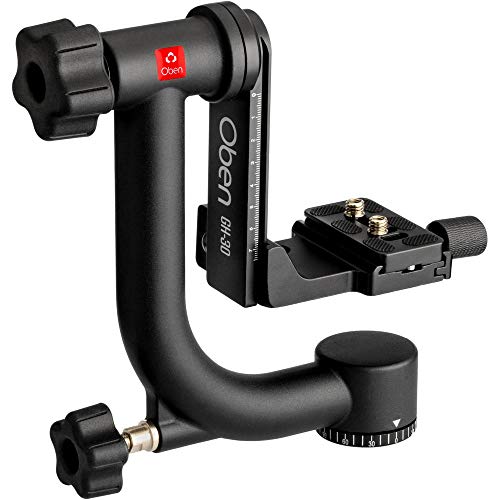
Mounted body-first, a long lens puts its weight forward of and above the head’s axes. As one Stack Exchange answer puts it, “the center of gravity of the lens is above the rotation axes so the whole thing is unstable” (source). A drooping head is a recurring complaint in r/AskPhotography threads on heavy lenses. The cure is to mount by the lens collar (tripod foot) on an Arca-Swiss plate and slide it to the balance point; lenses without a foot can take an aftermarket slip-on foot. Then set friction control just tight enough to stop sag. Our ball head vs pan-tilt head comparison covers the head types in more depth.
When a gimbal pays off and when it stays in the bag
A gimbal head holds the lens at its center of gravity, so a heavy telephoto lens floats and you track birds in flight with a fingertip. But image stabilization in the lens and IBIS let many owners handhold more than they expected. A DPReview owner with a 180-600mm wrote, “I have used it less than I anticipated.” A gimbal pays off on a long stakeout and with 500mm and longer lenses, which also call for heavier legs than the LS-284C.
Fluid heads for wildlife video
A fluid head uses drag to smooth pans, which matters more for video than stills. It suits shooters who film a moving animal more than they photograph it.
Wildlife tripod problems owners run into, and the fix
A wildlife tripod that shakes under a long lens usually has a setup problem, so try these fixes before buying bigger legs.
Light tripod shakes under a 200-600mm
Owners pairing a hiking tripod with a 150-600mm/200-600mm zoom is the most common thread pattern we saw. One Stack Exchange asker wrote, “I am especially interested in knowing what can be done when utilizing a lightweight tripod (one you might pick for hiking) with heavy gear.” The answers there give us this order:
- Keep the center column down.
- Lower the tripod and extend the thickest leg sections first.
- Hang a bag from the hook as a counterweight.
- Fire with a remote or a 2-second delay.
- Stand upwind or shield the rig from gusts.
Lens tips forward on a ball head
The same super-telephoto thread is blunt: “Do not mount the camera body to the tripod head as it is off balance and will stress the lens mount.” If the lens has a foot, move the plate to the lens foot before blaming the legs.
Wind and soft ground
“Wind will vibrate across the legs and transmit up to the camera,” notes the stabilizing thread. Stay low and keep straps from flapping. On mud and grass, the LS-284C’s rubber foot/spike combination lets you switch to spikes. On sand and shoreline, push the feet in, then rinse the unsealed twist locks afterward.
Tripod or monopod for wildlife?
Sit and wait, use a tripod; walk and shoot, use a monopod. A wildlife tripod holds the lens for hours in a photography blind (hide) or at a nest. For bird photography on a trail, a monopod sets up faster and suits birds in flight. Our picks for the best monopod with feet for wildlife photography cover that side.
So for that soft heron at the marsh: column down, lens on its foot, a weight on the hook, and a tripod rated well above the rig. If you are still deciding between support types, our monopod vs tripod breakdown for long-lens action is the next read.
Questions photographers ask
Do I need a tripod for wildlife photography?
Not always. With a stabilized lens and body you can handhold a 100-400mm or 150-600mm on a walk. A tripod earns its weight on long sit-and-wait sessions in a blind or at a nest, at dusk, and with 500mm and longer lenses.
Why does my tripod shake with a long lens?
Usually a raised center column, wind across the legs, a lens mounted by the body on a ball head, or the shutter press. Lower the column, mount by the lens foot, hang weight from the hook and use a remote or 2-second delay.
Do I need a gimbal head for wildlife?
For 500mm and longer primes or long stakeouts, a gimbal is the standard. With a stabilized zoom you may use one less than planned; one DPReview owner with a 180-600mm said exactly that. A balanced ball head or a monopod covers many zoom users.
What load capacity do I need for a 150-600mm lens?
Add the lens, body and head weights from the makers' spec pages, then look for legs and a head each rated well above that total. One r/SonyAlpha answer suggests three times; the lower of the two ratings is your ceiling.
Can a lightweight travel tripod hold a 200-600mm?
It can if its rating clears the total weight and you shoot it low, with the column down and the lens on its foot. The Leofoto LS-284C Ranger handles zooms in this class per owners, but it is short at about 47-50 in without the column.
Should I use the center column with a long lens?
Avoid it where you can. The column is one thin post, so raising it adds shake that a long lens magnifies. Extend the legs first and raise the column only for a few inches of height in calm air.
Why you can trust this guide
- Products are checked against manufacturer specifications, user manuals and long-term owner reports.
- Each pick is scored on the Best Tripod Score: stability, portability (weight and folded length), working height, build quality and value. Scores come from published specs and owner reports, not hands-on testing.
- We never accept payment for placement. Affiliate commissions do not affect rankings.
Last reviewed . Read our research process and editorial policy, or report an error.
Sources
- Leofoto: LS-284C Ranger with LH-30 ball head (maker kit page)
- B&H: Leofoto LS-284CX carbon fiber tripod
- Lonely Speck: Leofoto LS-284CX carbon fiber travel tripod review
- Fred Miranda forums: Leofoto LS-284C owner review
- Backcountry Gallery Photography Forums: Tripods
- Better With Birds: how to choose the best tripod or monopod for bird photography
- Photography Stack Exchange: how to stabilize a tripod
- Photography Stack Exchange: eliminating shake with a supertelephoto lens and tripod
- DPReview forums: gimbals for 180-600 and wildlife
Reviews and discussions we read

Best Tripod Editorial Team
Research & editorial
We research tripods, monopods and heads for photographers and video creators: real working height with and without the center column, load capacity against the gear you actually shoot, packed length for a carry-on, leg-lock speed and Arca-Swiss compatibility. Every guide follows our published research process and editorial policy.